


Frightfully French - Tips For A French-Inspired Halloween
French recipes, French horror films, and creepy activities in Paris to enjoy during Halloween.
Mummy's Alive! This Halloween (or 'A lo ween' - as the French say), we are bringing you tons of useful tips to create a French-inspired Halloween celebration. It is so exciting to dress up and enjoy the U.S. traditions during Halloween because, in France, 'A lo ween' is not a very big holiday. Instead, the French prefer to celebrate La Toussaint or All Saints Day on November 1st in which families visit the cemeteries of their loved ones to honor and clean up their tombstones. On these days, there is no dressing up or watching horror films, so we're taking the American traditions and putting our French spin on them. Keep scrolling to check out some delicious French-inspired recipes, horror flicks, and more. Frightfully French - Tips For A French-Inspired Halloween is not for the faint of heart. Keep reading...if you dare!
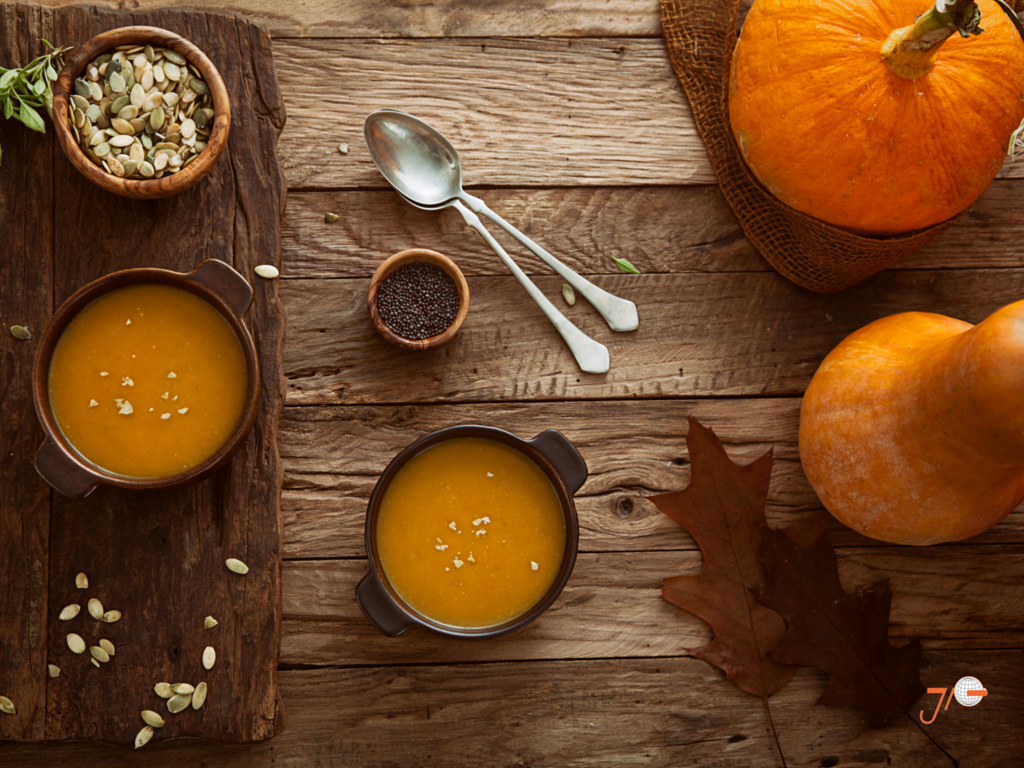
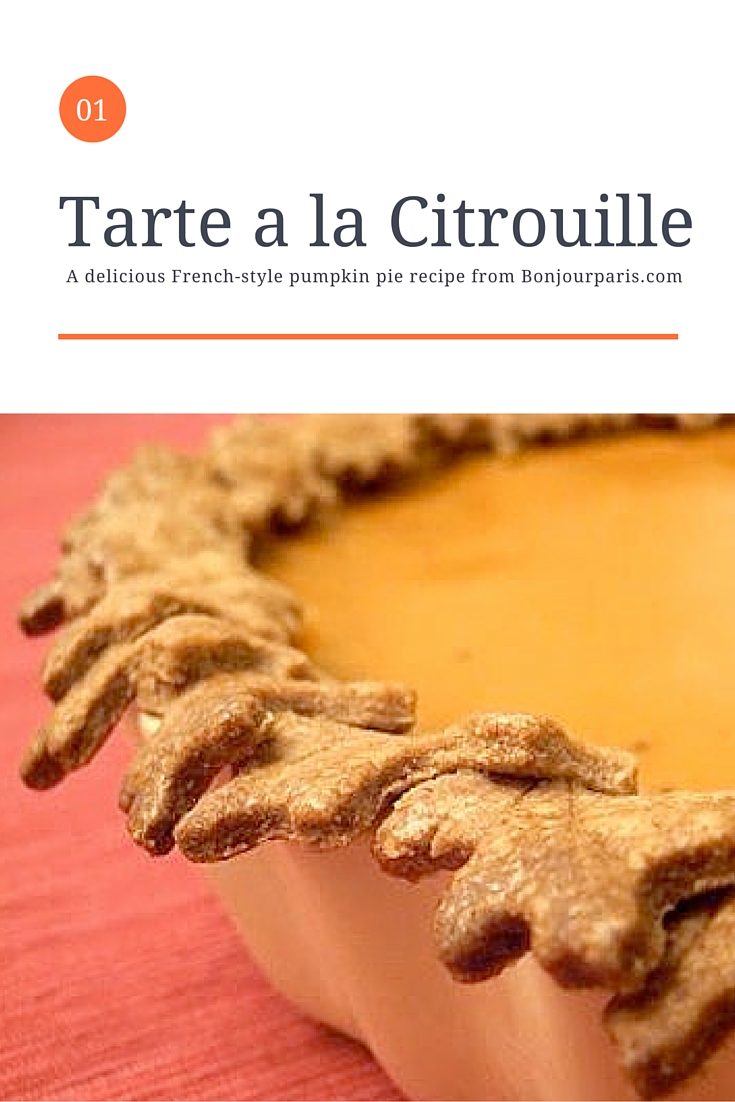
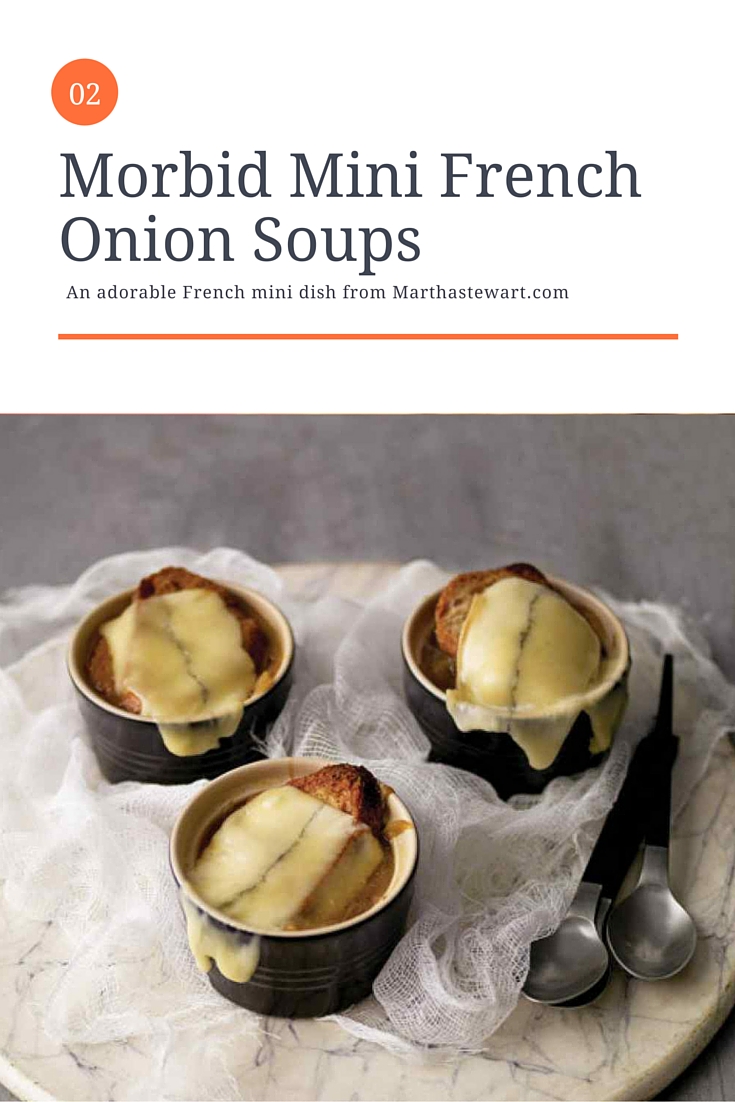
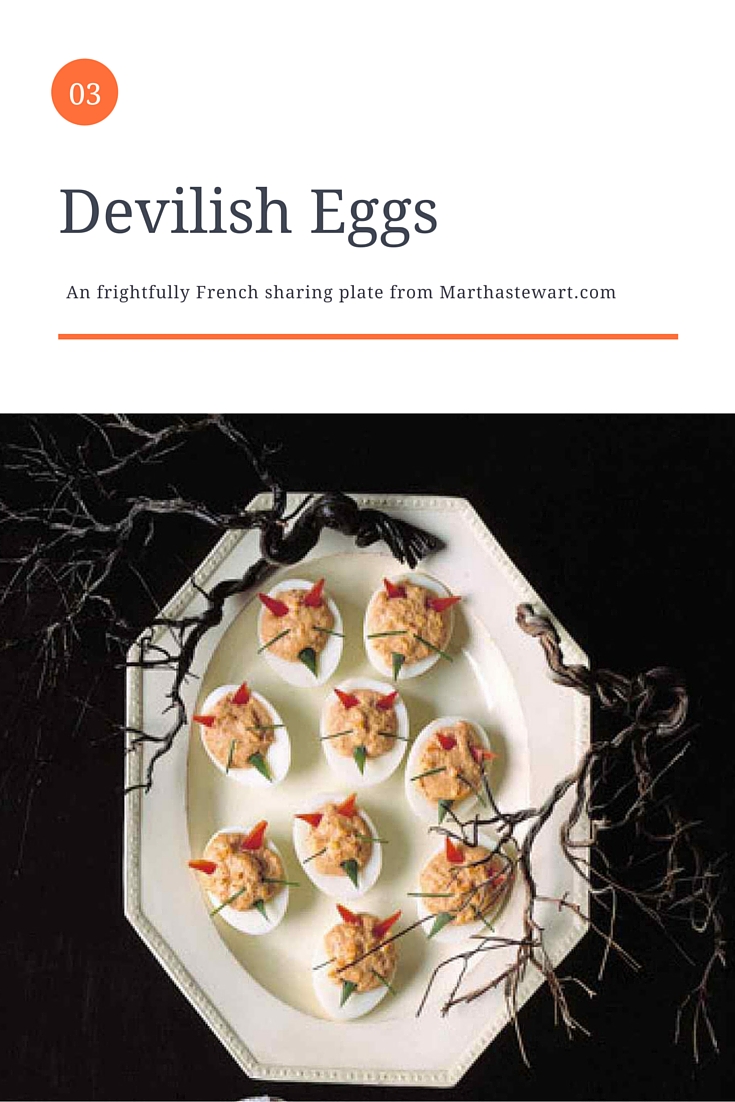
French-Inspired Recipes
Looking for some delicious treats to wow your Halloween visitors? Click the recipes below for full instructions & necessary ingredients ...
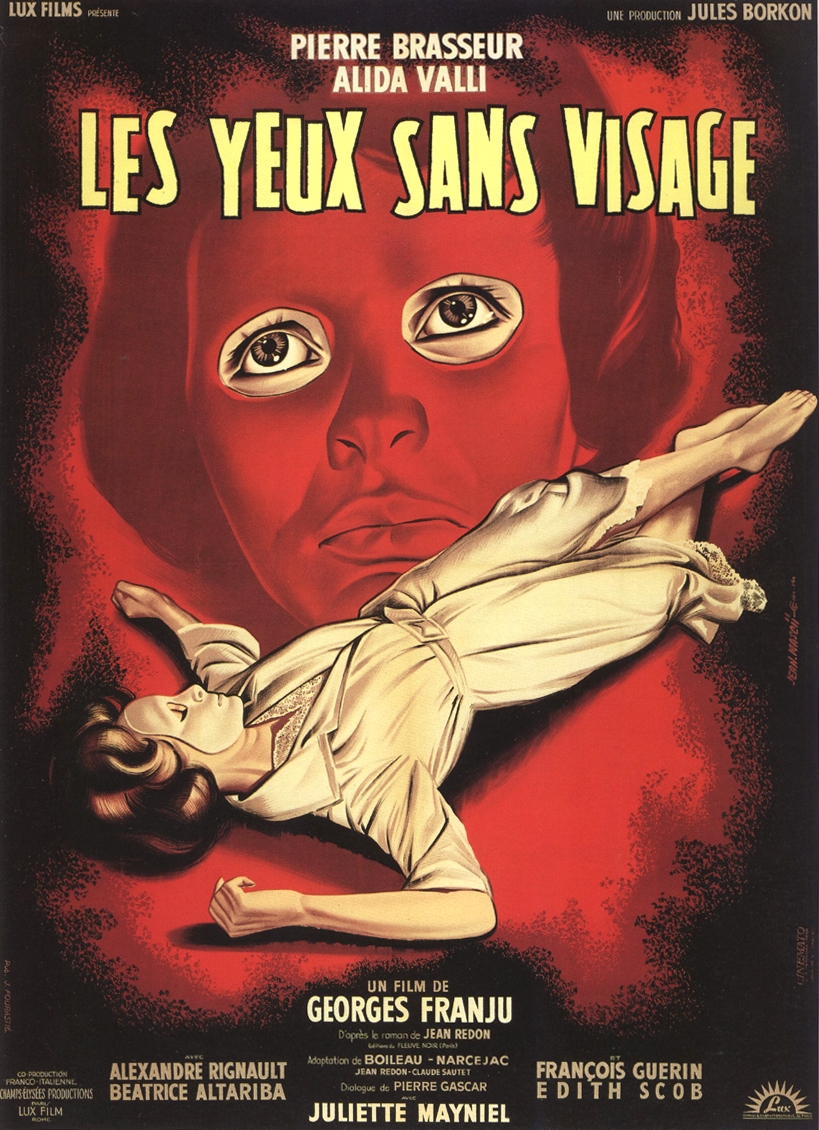
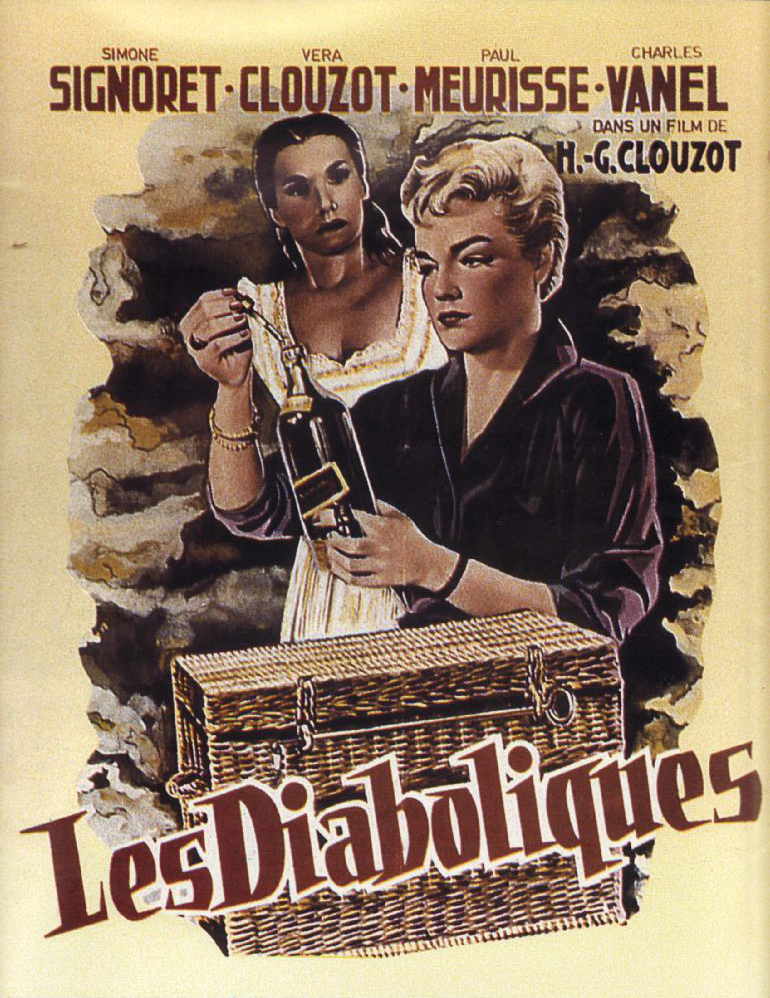
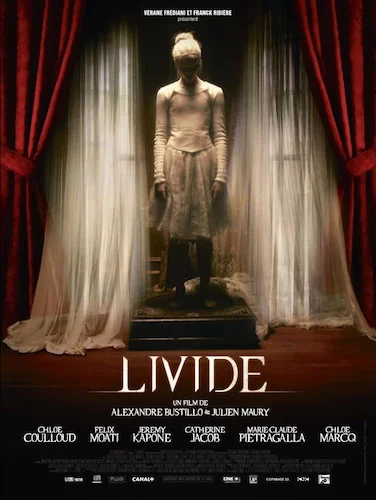
French Horror Films
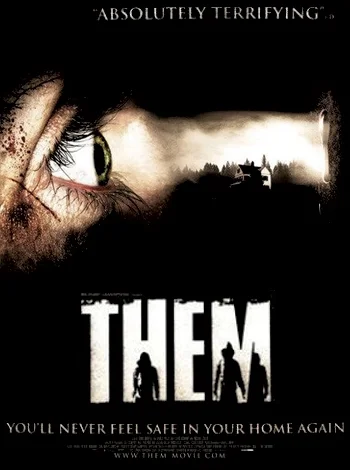
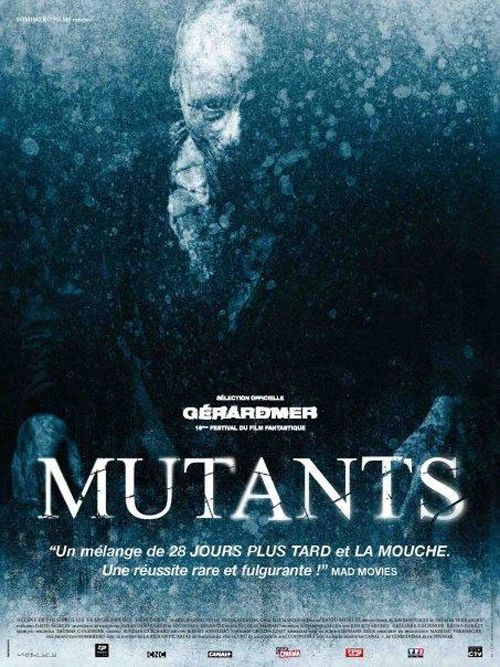
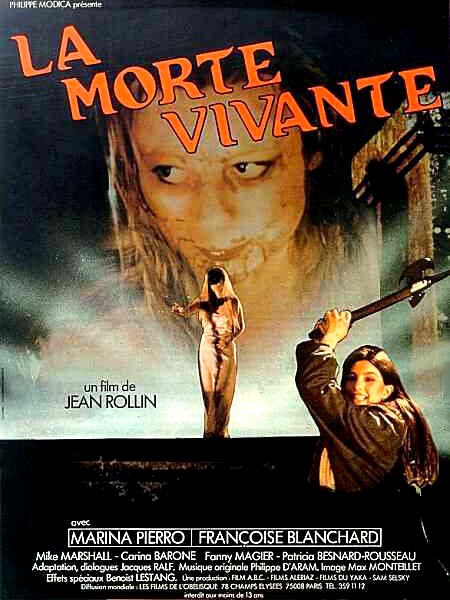
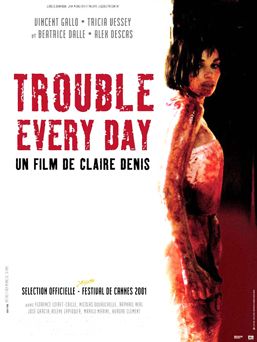
In the mood for a French scare? Check out the horror films below and beware. Just a click on any of the images below will lead to the movie trailer for each film...


Creepy Activities in Paris
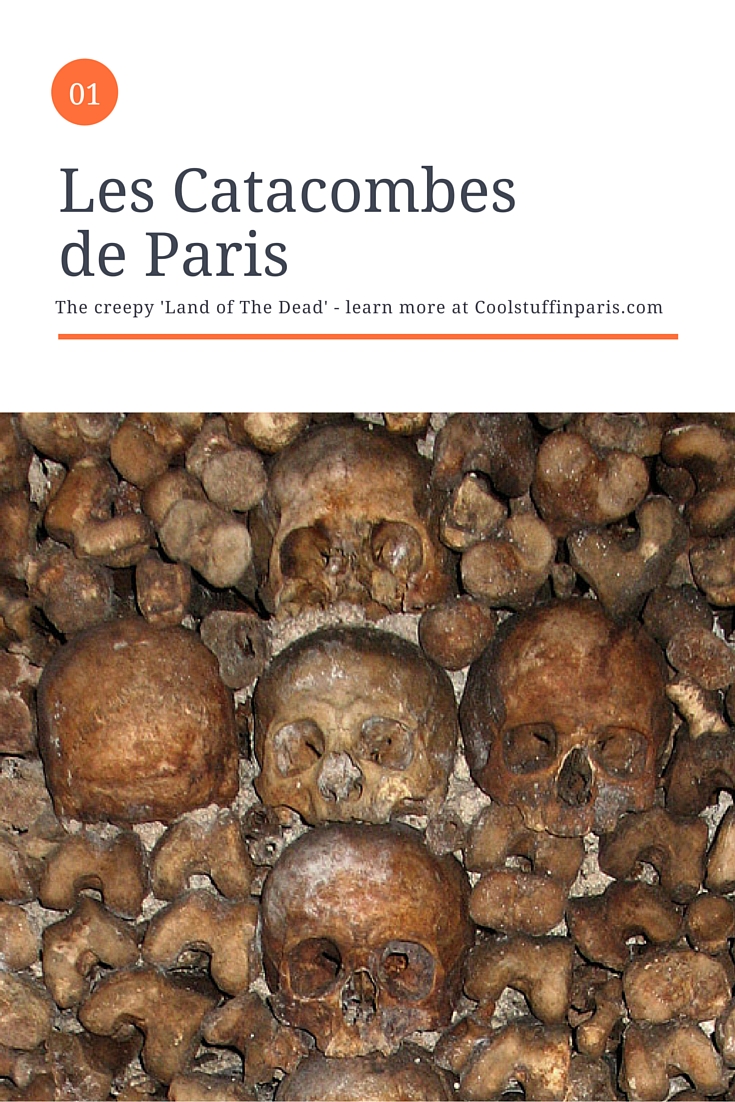
Haunted houses are not a popular activity in France so, instead, Halloween enthusiasts venture to creepy businesses in Paris. These are 4 favorites...
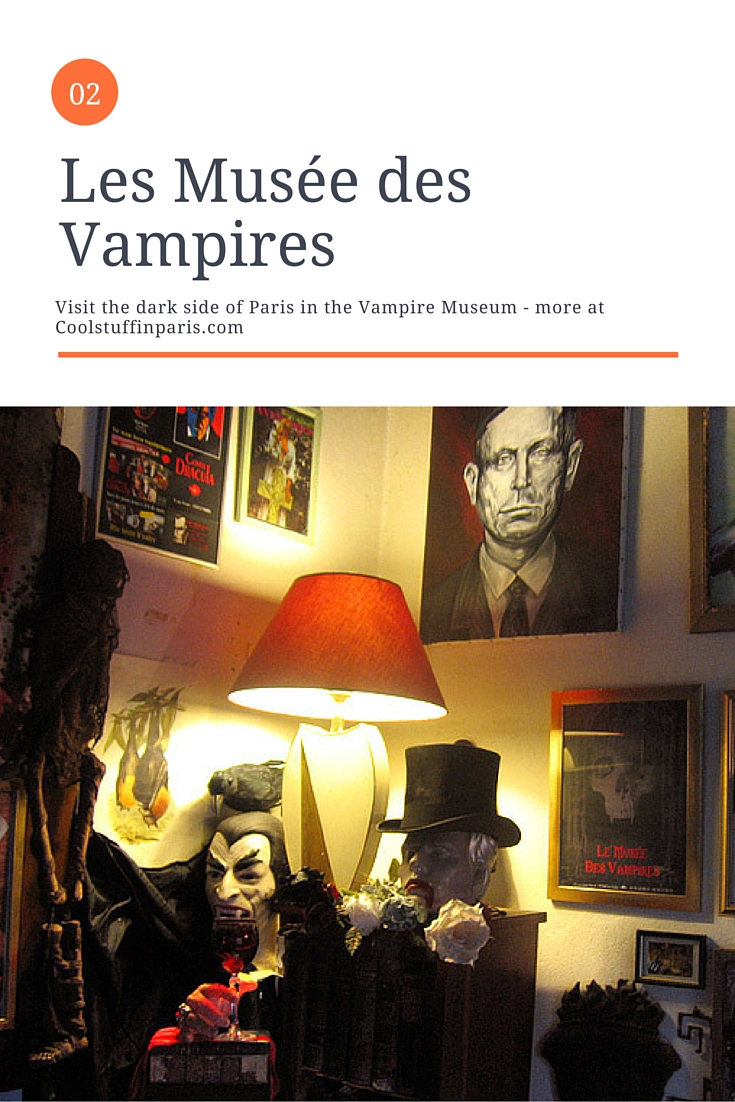
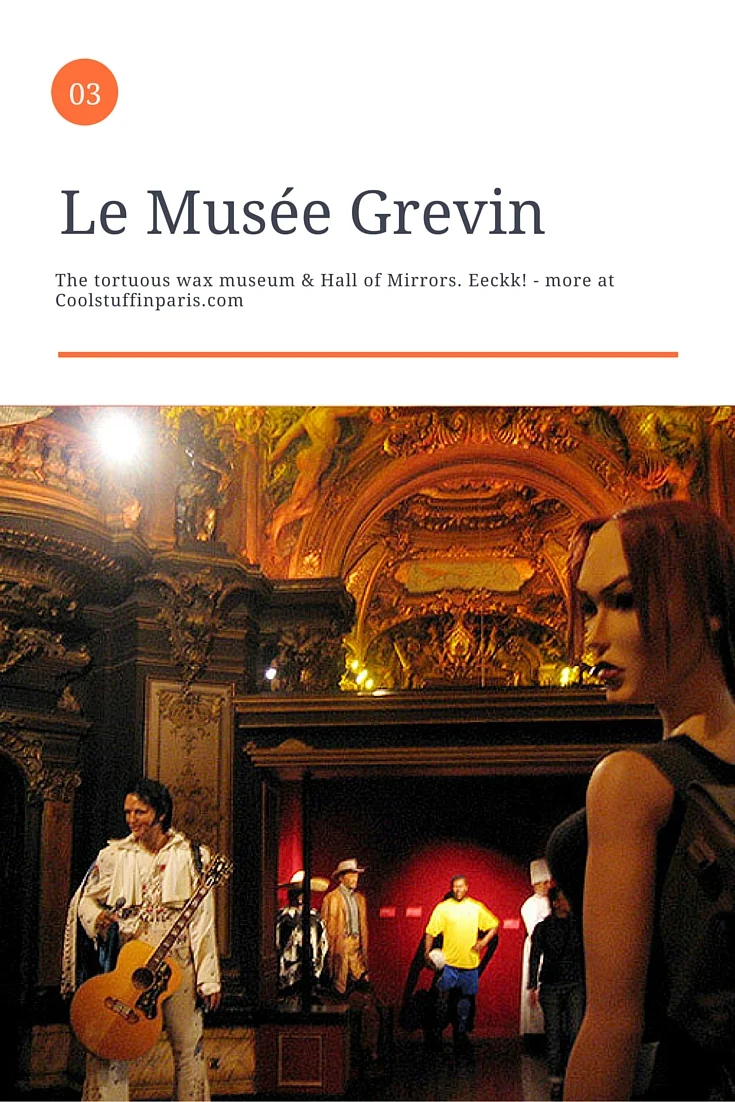
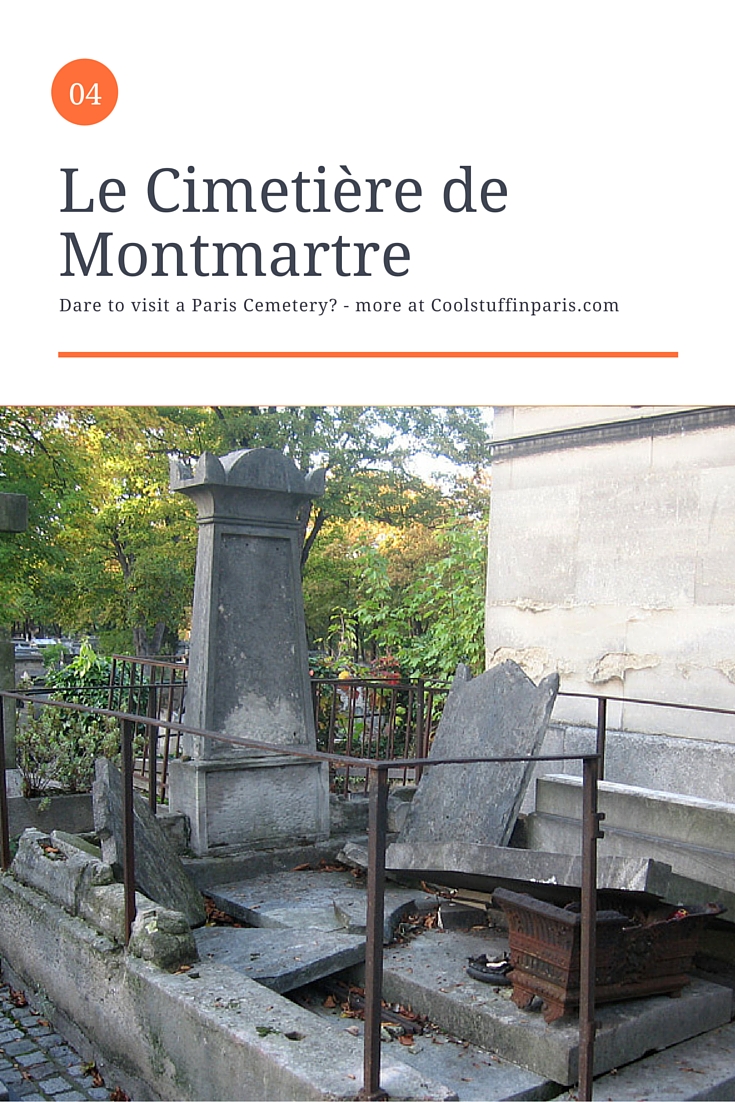
French-inspired phrases and halloween terms
- Le trente et un Octobre - 31st of October
- Friandises ou bêtises/Des bonbons ou un sort - Trick or Treat
- Se déguiser (en) - To wear a costume, to dress-up as
- Avoir peur - To be scared
- Un costume/Un déguisement - A costume
- Une momie - A mummy
- Des bonbons - Candies
Loved reading Frightfully French - Tips For A French-Inspired Halloween? Don't forget to invite your friends to get French-inspired tips every Tuesday by subscribing HERE. Looking for French language classes? Visit our website HERE to learn more about our Private Lessons or Group Classes!

3 Reasons Why Stromae Matters to French Culture!
Stromae is taking the world by storm. Read about his impact on Francophone culture.
It is likely that you have never heard of Stromae before, but the Belgium-born pop icon is quickly breaking ground in the U.S. in ways that no other French singer has before. Since his number one hit in 2009, Alors on Danse, he's gained a huge following in Europe and, more recently, in North America. Since reaching number one, he's collaborated with producers like Kanye West (who remixed Alors on Danse) and toured music festivals like Coachella and SXSW. It's no easy task crossing the ocean in the music industry, but he is one musician that is bringing pride to French culture and we are here to tell you why. We hope you enjoy 3 Reasons Why Stromae Matters to French Culture!
1. He Promotes the Joie De Vivre
While many pop singers in modern culture are looking for ways to stand out, Stromae is reaching within. Just take a look at his interpretation of the song L’amour Est un Oiseau Rebelle from the famous opera Carmen. This video critique on social media is his clever way of creating a musical protest towards the over consumption of online living. Instead of sitting on Instagram all day, he would prefer that we focus on more real-life experiences. For example, maybe having a delightful meal with friends, a simple glass of wine with a lover, or strutting a perfectly tailored outfit amidst a busy city street. All of these things, living and experiencing life, is of most importance to French culture. It's the Joie De Vivre!
2. He's A Sophisticated Artist
Of the primary interests in French culture, Art would be among the top. Whether discussing Art or critiquing it, the French pride themselves on having a strong sense of sophistication. While some forms of Art are more celebrated than others, when focusing on the music genre, hiphop (which Stromae has a strong background in), the French are typically not satisfied with the flood of music videos focused on bling-bling and male dominated themes that objectify women. Stromae eventually took a stand to 'backseat' his hiphop career after no longer being able to get behind the message of what the genre promotes. When asked in an interview by Ebony Magazine, "Why did you abandon your hiphop career?," he responded:
It’s an important school for me, hiphop music, and still today. But I had this problem, the meaning problem of hiphop music. In the music that we know in Europe is mostly this kind of bling-bling hiphop, with naked women and limousines and stuff. And even if I was a big fan of the rhythm, the groove, I had a problem with the meaning. So all the time, I was criticizing this style. So my manager said to me, “OK, why are you all the time criticizing the music and talking about only the music? If you are not happy actually, just change.” [laughter]
And he was so true. So I was like, “OK, maybe.” It’s a good inspiration for me, the groove and stuff, but maybe I have to talk about something, real life actually. And he told me like, “Why you don’t try just to explain something about the real life?” And I was like, no, it’s gonna sound cliché. Talk about love, it’s always the same kind of… And actually, I discovered it’s not the way. (Source: ebony.com 'Stroma Invades America' interview)
Take a look at his music videos Quand C'est or Papaoutai below and you will immediately get the sense of how this artist is making a huge statement while maintaining integrity, authenticity, and poise. His sense of sophistication (while staying current and relevant to pop music) is what's making a huge impact on the French culture.
3. He's A Cultural Ambassador For French Speaking Countries
Rarely in the U.S. do we find a celebrity pop star singing in French. In fact, I can't think of any besides Lady Gaga who randomly throws a French (or German) word here-or-there into her lyrics. More than just being a popular music icon, Stromae is maintaining authenticity through his writing and performing music en Française - even as he breaks into new markets like the U.S. He is getting tons of attention for this and, while I may be slightly biased here, this use of French language is what is making him a super star. Even though writing music and performing it in French is natural for him, Stromae's stardom is raising awareness about French language and culture to Americans. The themes within his records are relative to his cultural influences and his lyrics portray a 'European mentality.' For many Americans who have yet to visit Europe, this presence is only creating more awareness about French speaking cultures and helping Americans to embrace them.
Now that you know a little bit more about Stromae, check out his music online via YouTube, iTunes, and more and continue to take notice of his career growth in the United States. One great way to learn French is to listen to French music, so we suggest adding a few of his tracks to your playlist. Are you already a fan of Stromae and have a favorite song? Don't forget to share it in the comments section below! Interested in more French language and culture? Sign up for one of our Group Classes or Private Lesson to advance your French skills. Bonne journée!

Are The French Religious?
There’s more than meets the eye to the country and its strict separation of church and state.
Religion is often a huge topic of conversation around the world (even among Atheists). Many people prefer to keep such topics to a minimum, but when learning how to speak French it's important to know cultural norms which includes religion. Which religions are popular? Are most people in France Catholic? Jewish? Muslim? Where are the most popular mosques, cathedrals, and synagogues to visit? Is there a large percentage of atheists in France? Have no fear, we are here to shed some light on the subject with Are The French Religious? We hope you enjoy!

It may come as no shock that the majority of religious people in France consider themselves to be Christian (45% of the population). A tourist visiting France for the first time would quickly come to this realization through evidence in the many cathedrals that grace the landscape across the county. However, many French citizens in modern society are not big on practicing any particular religion and have a difficult time identifying what religious group they belong to. This confusion stems from the tradition of being baptized at birth in a Catholic Church, but not practicing Catholic traditions beyond that. If you were to ask a French person today what religion they are, a common response might be 'Christian, but my family never goes to church.' In fact, a solid number of those (who were baptized at birth) might consider themselves today to be Atheist or Agnostic. To understand the demographics of religions in France, one major consideration comes to the surface. Due to a law from 1872, any performed census in the French Republic is not allowed to distinguish citizens based on their race or beliefs. However, that law does not pertain to polls and surveys (which are free to included those questions if they wish). That said, we rely on 'polls' and 'surveys' to collect the data about religious demographics. IPSOS Mori (one of the largest research companies in the world), conducted a survey from 2011 which helps us better understand some of the religions groupings in France.
If we look at the numbers - 45% of French people consider themselves to be Christians (almost all Roman Catholic), 35% consider themselves Atheist or Agnostic, 3% Muslim, 1% Buddhist, 1% Jewish, 5% adhere to unspecified other religions, and 10% did not give an answer to the question. This means that Catholicism still hails as the most popular religion in France. However, according to a 2009 study from the French Institute of Public Opinion (IFOP), only 4.5% of self-declared Catholics go to church each week. This shows that France, in general, does not have a huge number of practicing religious members who attend religious ceremonies on a weekly basis.
One possible conclusion regarding the lack of attendance in the religious settings might be based on the French principal of Laïcité (the absence of religion in political affairs - especially regarding the creation of government policies). The country as a whole welcomes religious freedom and, since the 1789 Revolution (which broke the Roman Catholic church away as a claimed 'state religion'), the French culture hasn't been infusing religion into its weekly traditions as much. Overall, in modern French culture religion isn't a major focus and the country is considered to be one of the more secular ones in the world.
Regardless of the numbers, religious structures can be seen all over France. Check out a few of my favorites below.
To answer the question Are The French Religious? Yes. Overall, the majority of citizens believe in some form of higher power, but choose not to practice through an organized religion on a consistent or weekly basis. Many holidays and traditions continue to be based on religious calendars such as Fête de Noël (Christmas) and Fête de Hanoucca (Chanukah). These celebrations make for great visits to France which often include festivals, gatherings, and plenty of cultural food and drink.
I hope you enjoyed this post! To learn more about French language and culture, visit www.jplinguistics.com and sign up for one our French Group Classes or Private Lessons. Also, don't forget to tell your francophone friends about our blog by using #jplingo @jplinguistics.
(Source information from above: wikipedia.org 'Religion in France')

A Unique Spin on French Fashion for Dog Owners
Dog clothes made from your dog’s favorite fabric: their own fur!
With New York being one of the fashion capitals of the world, I thought I would shed some light, quite literally, on a France-based textile company that is putting a very Unique Spin on French Fashion for Dog Owners. As strange as this may sound, the company collects old dog fur and weaves it into yarn so that dog owners can knit their own sweaters using it. We must admit, our heads turned after finding news of this company, but it wasn't until we saw images from French photographer, Erwan Fichou, that the concept made slightly more sense. For all you fashionistas out there, this is one fashion trend you don't see everyday! Keep scrolling to see a collection of images called DogWool by Erwan Fichou. Whouff! Whouff!

For more information about 'Dogwool,' the French company making these yarns, visit their website. Would you ever wear your dog's fur? Post your response down below and share this with your friends. Looking to learn French? Visit JP Linguistics for the latest Group Classes, Private Lessons, and Cultural Events.

How to Sip High Tea Like the French
It’s not only for the Brits! Read and learn how the French handle tea time.
I know what you must be thinking...high tea is a British thing, so why are we talking about French? The idea of afternoon tea may have become popular because of the UK, but the rest of the world has taken high tea to their own tables and have created subcultures within. France is no stranger to this 'afternoon amongst friends' ritual, so I've included some of the delightful things you might find at a French spread. Grab a napkin and enjoy How to Sip High Tea Like the French. You might find yourself drooling by the time you finish. À votre santé!

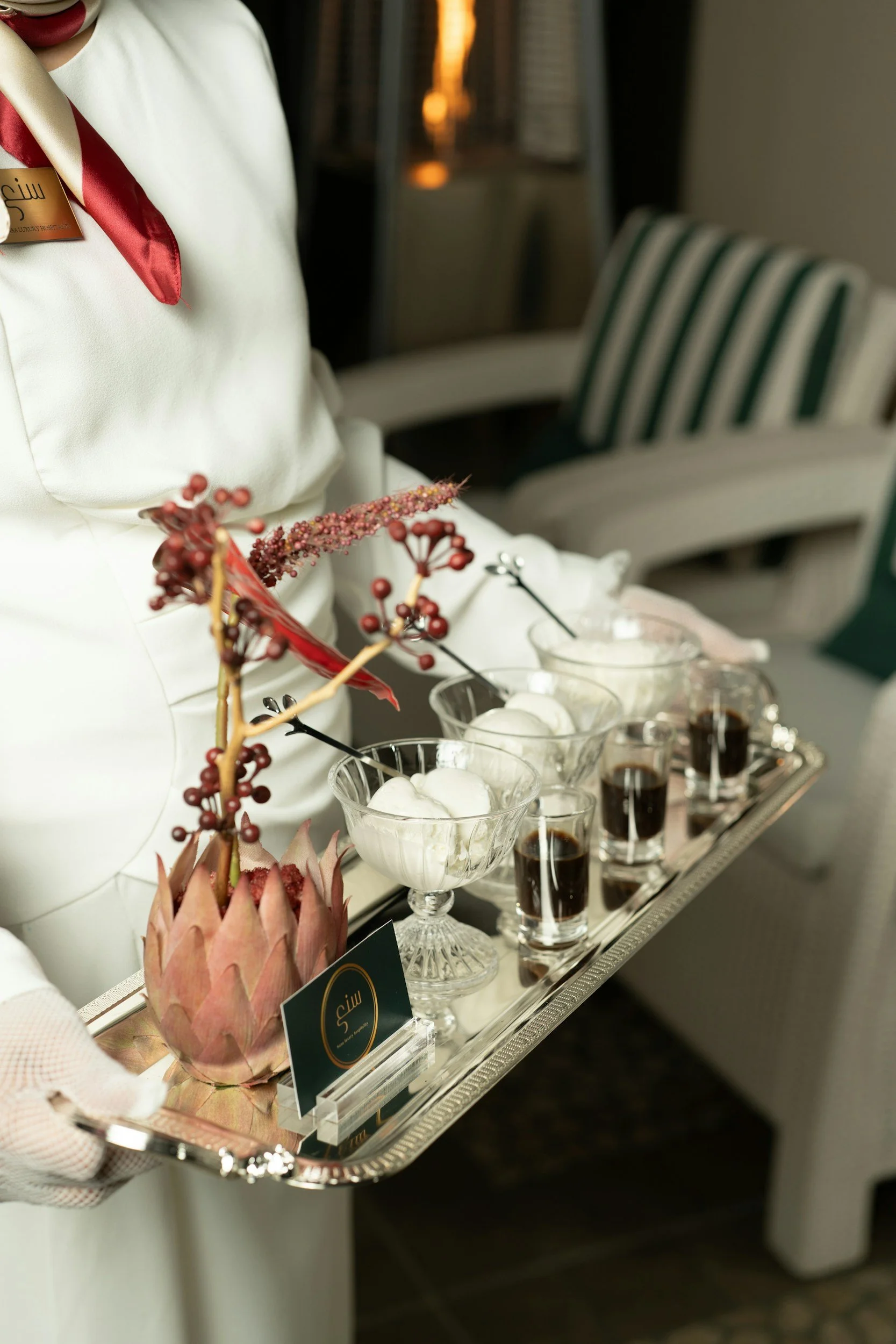
If you have ever sat down for a high tea, then you will know that hours will quickly pass before you while little trinkets, tea and snacks find themselves at your finger tips. In France this equates to such delicacies as an 'olympe' pictured below (a macaron biscuit with candied violet, strawberry and raspberry sweet jelly, violet cream and fresh raspberries). Or classic sugar-powdered Madeleines, crunchy Palmier, or soft and sweet Cannelé. Miam Miam!
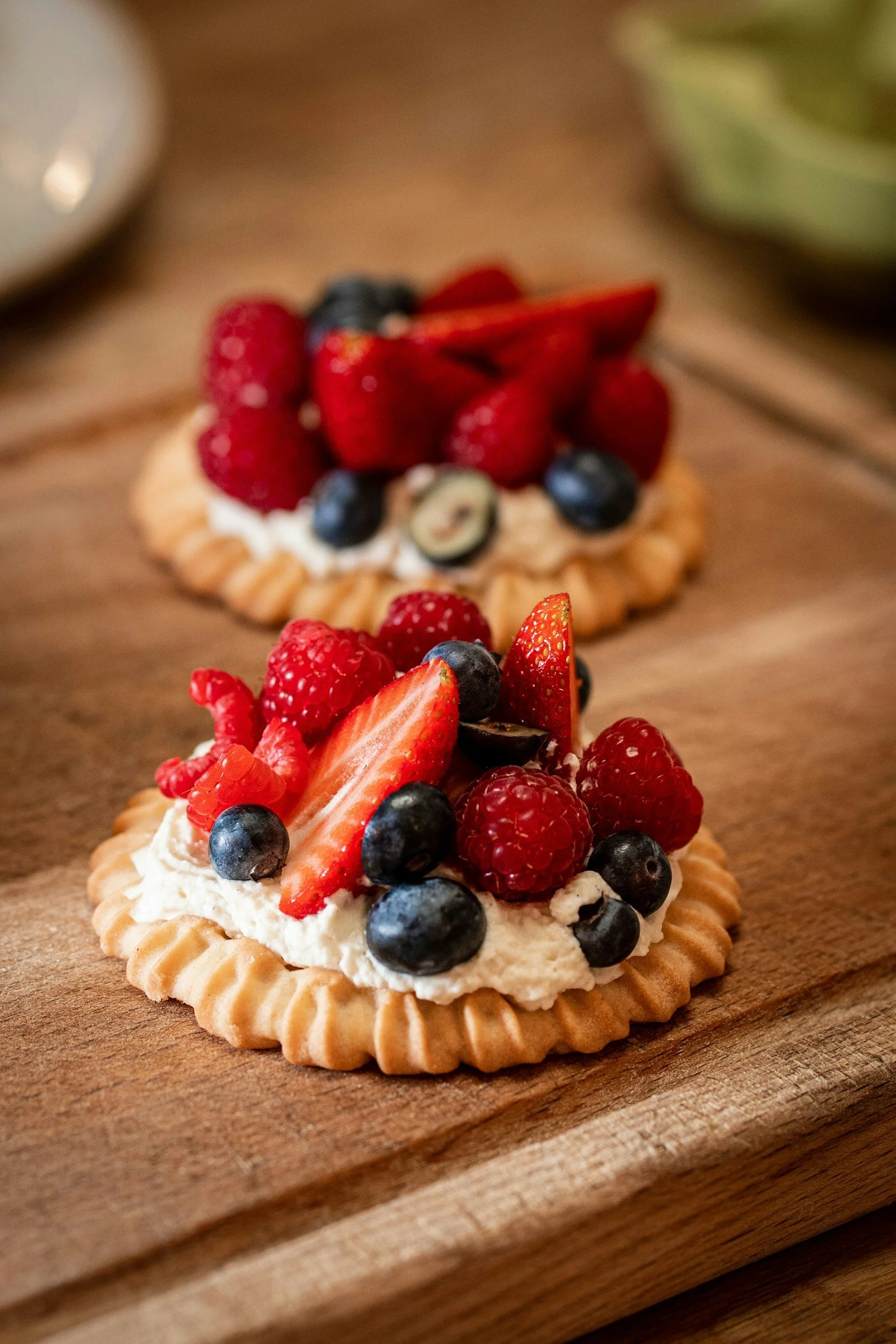
Whichever pastry finds its way to your mouth, this delightful sit-down is usually for more than just your sense of taste, it's also one for your eyes! In France, this would mean enjoying places such as The Bar Vendôme, Ritz Paris (now opened after a 2-year renovation), the world famous Angelina (known for the best chocolat chaud in Paris), or the Hôtel Daniel (featuring the highly celebrated pastry chef Sébastien Gaudard). But amongst all of these, possibly the most impressive spot for Serious tea drinkers is Mariage Frères. This shop dates back to 1854 and has a serious take on tea. With classic tea rooms, they are located at 30 rue du Bourg-Tibourg and 17 place de la Madeleine. Make sure to order your cup of tea en Français when you visit: 'Je prendrai un thé noir, s'il vous plaît.' (May I please have a black tea?) and try asking for your seat with 'Est-ce que nous pourrions avoir une table pour 2, s'il vous plaît?' (May I please have a table for two?)
Of course, learning How to Sip High Tea Like the French would be nothing without a few glasses of French humor. However, for most Americans, French humor is often misunderstood. To shed some light on the topic, I've included a few pointers below to help guide you.
Generally, French humor is oriented towards others rather than towards the speaker. This is less nonsensical than English humor and perceived as more cruel. It is never self-deprecating, rather it is combative, fueled by ridicule and mockery and it needs a target. The French are great at teasing, which contribute (for naive foreigners) to their reputation of being rude.
The French love jokes about sex and bodily functions, which your will often hear in the most unexpected (for Americans) contexts. This would include situations such as a dinner table with well-educated people.
A frequent form of humor is to exaggerate excessively in order to illustrate something's falsehood. Being too literal comes off as plain silly for the French.
Puns are a very big part of French jokes, primarily because language is so important to their culture. Often jokes are not translatable or hard to follow unless you speak French very well. (french humor points inspired by understandfrance.org)
Whether it be the delicious pastries, the wonderful cafe environments or the conversation, the French have developed their own place in the world of high tea. Next time you take the afternoon to enjoy with friends, try it all with a French twist! Have a favorite spot your recommend for high tea in France? Don't forget to post your comments or tips below.

Funny French Idioms
Impress native speakers with your knowledge of these fun French idiomatic phrases.
If you speak French (or are learning), you'll know that some expressions used in the language can be quite humorous when translated verbatim from French to English. That's why we wanted to brighten your day with Funny French Idioms, phrases the French use which can translate unexpectedly. Next time you find yourself in these real life scenarios, try using French idioms to stir the conversation!

1. It's not all about size... or is it? Perhaps you are a person who is shorter than most people your age, or maybe you know someone who is. Often, this height difference might stir a few jokes from a friend who might say to you 'Vous êtes haut comme trois pommes.' This statement is a clear indication that someone may be making fun of your size. In French, this phrase is a way of saying 'You are vertically challenged.' However, this isn't exactly the literally translation. The common phrase 'Être haut comme trois pommes' actually equates to 'To be tall like 3 apples' (which is pretty small). So, the next time you interact with a 'vertically challenged' person try incorporating this clever phrase! It's a head turner.
2. If you have a knack for recognizing natural French accents, this idiom is for you. There are instances where a non-native speaker will try to converse in French as naturally as possible, but feel shy and pause mid-sentence to say 'pardonnez mon accent, mais...' (excuse my accent, but...). If speaking to a French native, the listener might respond with a little sarcasm and say 'Non, non, vous parlez parfaitement le français. Est-ce que vous êtes français?” (No, no, you speak perfect French. Are you French?). A clever non-native speaker in this scenario might think to themselves 'he/she must be pulling my leg' in which the following phrase would be appropriate - 'Vous vous payez ma poire?' (the common French idiom meaning 'Are you pulling my leg?'). Technically though, this phrase translates to 'Are you buying yourself my pear?' which could be confusing to non-native speakers, yes, but to the French it makes perfect sense! In any case, next time someone is being sarcastic with you, try using this phrase to see if they are 'buying your pear!'
3. Keeping in theme with pears, there is another idiom the French love to use whenever someone is having a really good time. The phrase is 'se fendre la poire' and technically translates as 'to split the pear' but means 'to split one's sides' (or to laugh extremely hard or have a really good time). If you are out somewhere with hilarious French-speaking friends and are really enjoying yourself, slip in the phrase 'On se fend la poire là, non?' (We're having a ball, aren't we?).
These simple, funny French idioms are often used among friends and are a great way to practice your French. Do you know any French idioms? Make sure to post them in the comments section below and help continue the conversation. Also, you can post them on our Twitter using #jplingo @jplinguistics!